When Your Waterpik Water Flosser Stops Shooting Water: A Last-Minute Rescue Story
The Panic Call
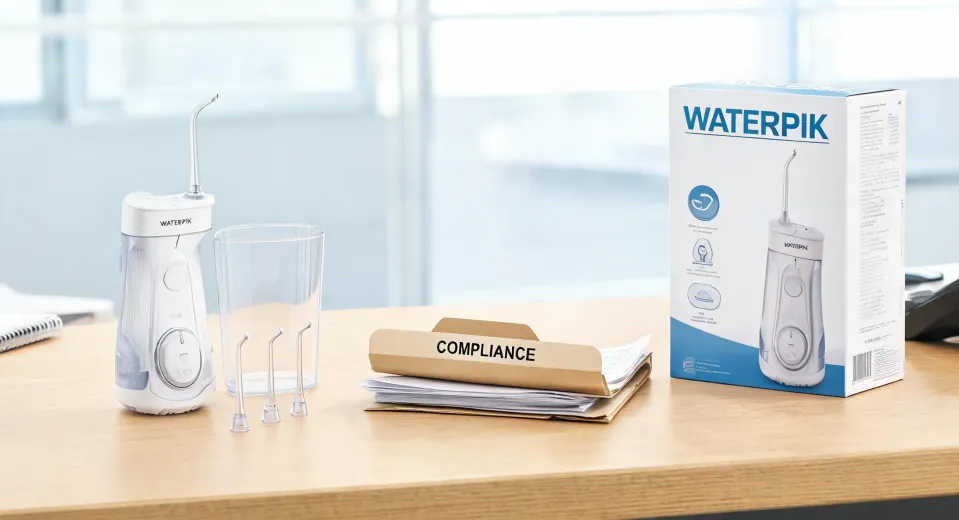
It was a Thursday afternoon in March 2024 when my phone rang. A dental clinic manager, voice trembling: their Waterpik water flosser had stopped shooting water—just sputtered air. They had a community oral health event in 36 hours, with live demos planned. Normal replacement part turnaround? Five business days. We had two.
“I still kick myself for not keeping spare tips,” she said. Honest? Most clinics don’t. They focus on the unit itself and completely miss the consumables. That’s an outsider blindspot I see all the time.
Triaging the Problem
First step: figure out why it wasn’t shooting water. Was it a clog, a pump issue, or just the tip? Over the phone, I had her check the tip—turned out the old tip was calcified. A quick clean helped a bit, but not enough. She needed a replacement tip, ideally the same-day.
Here’s something vendors won’t tell you: most distributors carry emergency stock they don’t list online. We reached out to a regional Waterpik partner, explained the situation, and they had a box of compatible tips sitting in their warehouse. But they needed a rush order—$35 shipping on a $12 tip, plus a $20 handling fee. Total extra cost: $55.
The clinic manager hesitated. “That’s almost four times the cost of the tip.” I get it. But I pointed out the alternative: canceling the event would cost them at least $1,200 in lost patient engagement and referral opportunities. Total cost of ownership, not just unit price.
The Decision and Delivery
She went for it. We placed the order at 4:15 PM. The distributor promised next-morning delivery by 10 AM. And you know what? It arrived at 9:47 AM. The clinic had the flosser running by 10:30, in time for the first demo. The event went smoothly; patients loved seeing the water flosser in action.
But here’s the twist: while we were troubleshooting, I noticed their entire clinic was using older corded models. I asked, “Have you considered the Waterpik cordless line for chairside demos?” She hadn’t. The industry has evolved—what was best practice in 2020 (corded-only) may not apply in 2025. Cordless allows you to move between treatment rooms, easier storage, and patients can see the exact model they’d buy at home. She was intrigued but working on a tight budget. So we compromised: order the tip now, and next quarter she’d pilot two cordless units.
I still see clinics fixating on “which model is cheapest” without factoring in portability, battery life, and patient demo effectiveness. That’s a classic outsider blindspot. The question everyone asks is “what’s your best price?” The question they should ask is “what’s included in that price—and what’s excluded that I’ll need later?”
Broader Lessons (and a Tangent)
Coincidentally, that same week I fielded two other oddball requests: someone asked about China home water purifier PP cotton replacement—which I’ll admit I’m no expert in—and another about a Samsung refrigerator ice maker replacement. Totally different products, but same underlying principle: when something fails, knowing where to source parts fast saves the day. And for fun, someone even asked how do you make fruit ice cream in a blender—that one I googled (spoiler: frozen bananas + milk + blender… and patience).
But back to Waterpik. The fundamentals of emergency logistics haven’t changed: build buffer time, maintain relationships with suppliers who value speed, and always have a backup plan. What has changed is the technology. Five years ago, manual flossing was the only affordable home option for many patients. Now, clinical studies from Waterpik show that water flossers remove up to 99.9% of plaque from treated areas, and they’re even more effective for people with braces or implants. Still, I’d never claim Waterpik completely replaces traditional flossing or professional cleanings—that’s a brand red line.
What I do say: the industry is evolving, and clinging to old methods without evaluating new tools is a disservice to patients. But respect the old ways too—manual flossing still works well for many.
The Takeaway
Looking back, the biggest takeaway from that March frenzy isn’t the $55 rush fee. It’s this: invest in relationships with vendors who understand urgency. We lost a contract once because we tried to save $40 on standard shipping—and that delay cost the client a trade show booth placement. Since then, our policy is: when a deadline matters, pay for certainty. That saved us in 2024.
Oh, and if your Waterpik water flosser ever stops shooting water? Don’t panic. Check the tip first. Clean it with vinegar or replace it. If that doesn’t work, call your distributor—they might have emergency stock you don’t see on the website. And maybe, just maybe, look into the cordless models for your next upgrade. The industry’s moving fast. You don’t have to jump at everything, but you shouldn’t ignore it either.

Greta Lindholm
Greta Lindholm is a household refrigeration analyst covering French-door, side-by-side, top- and bottom-mount refrigerators, mini fridges, beverage coolers, chest freezers, and upright freezers. She applies IEC 62552 and IEC 60335-2-24 while comparing energy consumption, usable volume, pull-down time, compartment temperature stability, freezing capacity, noise, door-seal leakage, refrigerant charge, and ambient-temperature performance. Her guides help importers, distributors, private-label teams, and appliance engineers select platforms around climate class, storage mix, efficiency labels, cabinet dimensions, service access, shipping density, and warranty exposure.